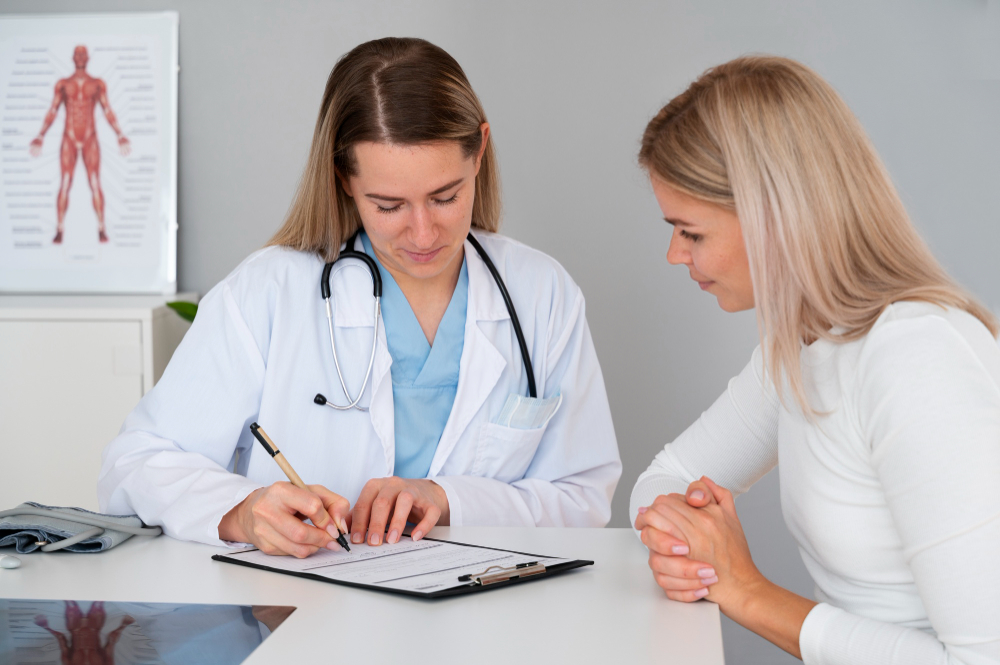
Turning 30 is a milestone. For many women, it is also a time to focus on health. Preventive screenings for women after 30 are important. These health checks help find problems early, often before symptoms appear. Early detection can make treatment easier and more effective. In this blog, you will learn which screenings matter most and how often to get them.
Why Preventive Screenings Matter After 30
After 30, a woman’s body changes. Because of this, some health risks increase. For example, the risk of certain cancers and heart disease goes up. Preventive health checks for women over 30 can catch these problems early. In fact, regular screenings can save lives. According to the CDC, early detection leads to better outcomes for many diseases.
Key Screenings Every Woman Should Consider
Many women wonder which tests are most important. Below are the top preventive screenings for women after 30. Each one helps protect your health in a different way.
Cervical Cancer Screening (Pap Smear, HPV Test)
Pap smear checks for changes in cervical cells.
HPV test looks for the virus that can cause cervical cancer.
Both tests are key for early detection for women.
Breast Cancer Screening (Mammogram, Clinical Breast Exam)
Mammograms use X-rays to find breast changes.
Clinical breast exams are done by a doctor or nurse.
Early screening can find cancer before you feel a lump.
Blood Pressure and Heart Health Checks
High blood pressure often has no symptoms.
Regular checks help prevent heart disease and stroke.
Women’s health screenings after 30 should always include this test.
Blood Sugar and Diabetes Screening
High blood sugar can lead to diabetes.
Screening helps catch problems early.
This is especially important for women with a family history of diabetes.
Cholesterol Screening
High cholesterol raises the risk of heart disease.
Screening helps you manage your heart health.
Women in urban areas may have higher risk due to lifestyle.
Bone Density Test
This test checks for weak bones or osteoporosis.
Women over 30, especially after menopause, should consider this test.
Early detection helps prevent fractures.
Thyroid Function Test
Thyroid problems can affect energy, weight, and mood.
Screening helps find issues early.
Women are more likely than men to have thyroid issues.
Skin Cancer Screening
Doctors check your skin for unusual moles or spots.
Early detection for women is key for treating skin cancer.
Women with fair skin or lots of sun exposure need regular checks.
Sexually Transmitted Infection (STI) Screening
STIs can cause long-term health problems if not treated.
Screening helps protect your health and your partner’s health.
Women who are sexually active should get tested regularly.
How Often Should Screenings Be Done?
Screening schedules can vary. However, here are some general guidelines:
Pap smear: Every 3 years (ages 21–65), or as advised by your doctor.
HPV test: Every 5 years (ages 30–65), often with Pap smear.
Mammogram: Every 1–2 years starting at age 40, or earlier if at high risk.
Blood pressure: At least once every 2 years.
Blood sugar: Every 3 years, or more often if overweight or at risk.
Cholesterol: Every 4–6 years, or as advised.
Bone density: Once after menopause or if at risk.
Thyroid: Every 5 years, or as recommended.
Skin cancer: Annually, especially if at higher risk.
STI screening: Yearly, or more often based on lifestyle.
Always talk to your healthcare provider about your personal risk factors.
Tips for Preparing for Screenings
Getting ready for a screening can help you feel more at ease. Here are some tips:
Write down any symptoms or questions before your visit.
Bring a list of your medicines.
Wear comfortable clothing for exams.
Follow any fasting instructions if needed.
Arrive early to fill out forms.
Lifestyle Guidance for Better Health
Screenings are important, but healthy habits matter too. For better health, try these tips:
Eat a balanced diet with fruits, vegetables, and whole grains.
Exercise at least 30 minutes most days.
Do not smoke, and limit alcohol.
Get enough sleep every night.
Manage stress with relaxation or hobbies.
Prevention and Early Detection: Why It Matters
Prevention is always better than cure. Because of this, regular women’s health screenings after 30 are vital. Early detection for women can stop many diseases before they become serious. In the United States, many health groups, like the CDC and WHO, recommend these checks. By staying up to date, you protect your health and your future.
Consult AB Gynec & Gastro Clinic to discuss which preventive screenings are right for you.